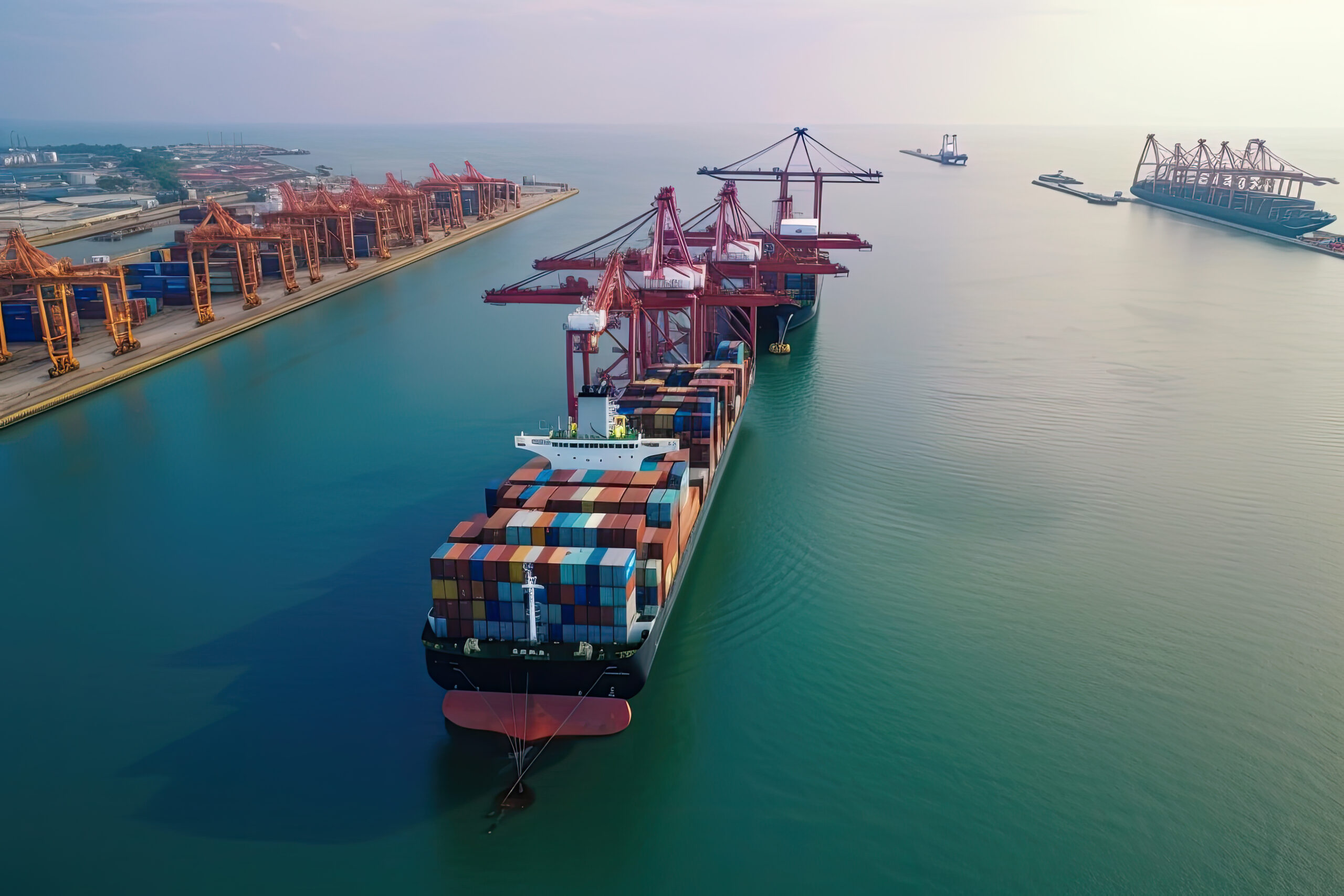
The new International Maritime Dangerous Goods Code will be published in the last quarter of 2026. While the current Code, Amendment 42-24, only became mandatory at the start of 2026, many of us in the dangerous goods community are already preparing for the changes in Amendment 43-26.
When does the new IMDG Code come out?
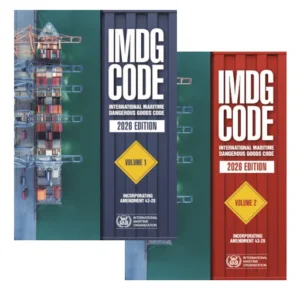 Each edition of the IMDG Code runs on a roughly two-year cycle. The current Amendment 42-24 became mandatory on 1 January 2026. The next in line is Amendment 43-26, which was adopted at MSC 111 in May 2026, and publishes around October 2026.
-
- From 1 January 2027, we may apply 43-26 voluntarily.
-
- From 1 January 2028, it is mandatory and 42-24 can no longer be used.
The years in between Amendment publications are a crucial transition time. While Amendment 42-24 is still valid, organisations who ship a high volume of dangerous goods should use the transition period as a time to update procedures, test operations, documentation systems and training.
Waiting until 1 January 2028 to make operational changes turns a twelve-month project into a January scramble, usually across the exact period when freight volumes and staff leave are least forgiving.
What changes in IMDG 43-26?
IMDG 43-26 is a substantial amendment. Some of the more consequential changes are around vehicles:
-
- A new Special Provision 980 requires a vehicle’s safety to be assessed before it is offered for sea transport.
-
- There are also revisions to SP 961 and SP 962, the provisions that decide whether a vehicle is exempt, or if it must comply with dangerous goods transport requirements.
-
- Placarding of CTUs carrying vehicles has also been clarified and strengthened.
Beyond vehicles, expect:
-
- new and amended UN entries, including entries associated with chlorophenols, butyl acrylates and vanadium pentoxide, and batteries carried in cargo transport units;
-
- a revised EmS Guide in the dangerous goods supplement;
-
- updates to portable tank and fibre-reinforced-plastic service equipment;
-
- a refined split between Category A and Category B infectious substances; and
-
- changes to temperature monitoring in cargo transport units for temperature-controlled substances.
How can I prepare for the 43-26 version of the IMDG Code?
Reading the changes in the new amendment is just the first step. Now is the time to have a think about your own operation:
-
- Which of these changes touch your shipments?
-
- What must change in written procedures, markings and documentation as a result?
-
- Who needs retraining before the new rules come into force?
Most operations find that only a handful of the changes are relevant to them, but the handful that is relevant might have a significant impact on operations.
Changing how we think and work, while application is voluntary, means we cross into 2028 prepared, instead of discovering a gap at the point it carries a penalty.
How Trident can help
Not sure where 43-26 leaves you? You don’t have to work it out alone.
Trident’s resident DGSAs have spent years auditing operations of every size and turning dense regulatory text into clear, practical advice businesses can act on. We’ll show you exactly which changes affect your business, what needs to change, and by when, so you move into 2028 confident and fully compliant.
Contact us today, we look forward to helping you with your compliance needs.