
Did you know? Lithium battery regulations are among the fastest evolving transport regulations in the world today.
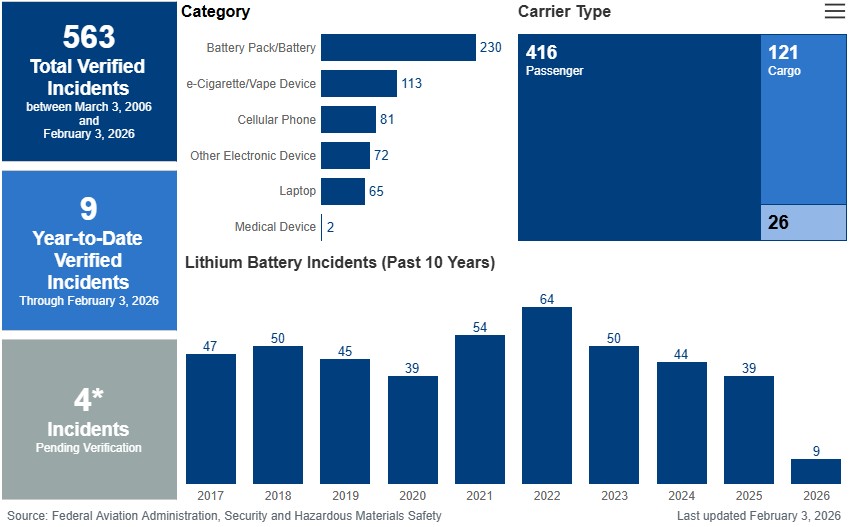
As demand for lithium batteries continues to grow across industries such as electronics, EVs, medical devices and energy storage, more batteries are being shipped globally than ever before. With that growth comes increased safety and compliance challenges.
Safe transport of lithium batteries depends on steps taken to reduce the following risks:
- Thermal runaway triggered by mechanical damage, electrical misuse, manufacturing defects or exposure to heat
- Pressure changes and vibration during transport
- Defective or damaged cells entering the supply chain
- Accidental activation
- Intense fires that are difficult to extinguish
This is exactly why every cell, and or battery must meet the testing criteria found in the UN Manual of Tests and Criteria Section 38.3 (ADR/IMDG 2.2.9.1.7 and IATA DGR 3.9.2.6.1) before it enters the transport chain.
Navigating this landscape requires constant vigilance with strict requirements around:
- State of charge limits
- Packaging standards
- Hazard labesl and markings
- Documentation and declarations
- Handling and shipping damaged or defective batteries
At Trident Safety Group, we specialise in the safe and compliant shipment of lithium batteries worldwide. We also provide practical training to help businesses understand and meet current transport regulations.
If your business ships lithium batteries, let’s ensure your logistics processes match the latest frameworks. Reach out today.